Sage Frank · 25 October 2026
Bridging Ponara's Past and Present: Roman Finds Fuel New Approaches to Local Housing and Farming Issues
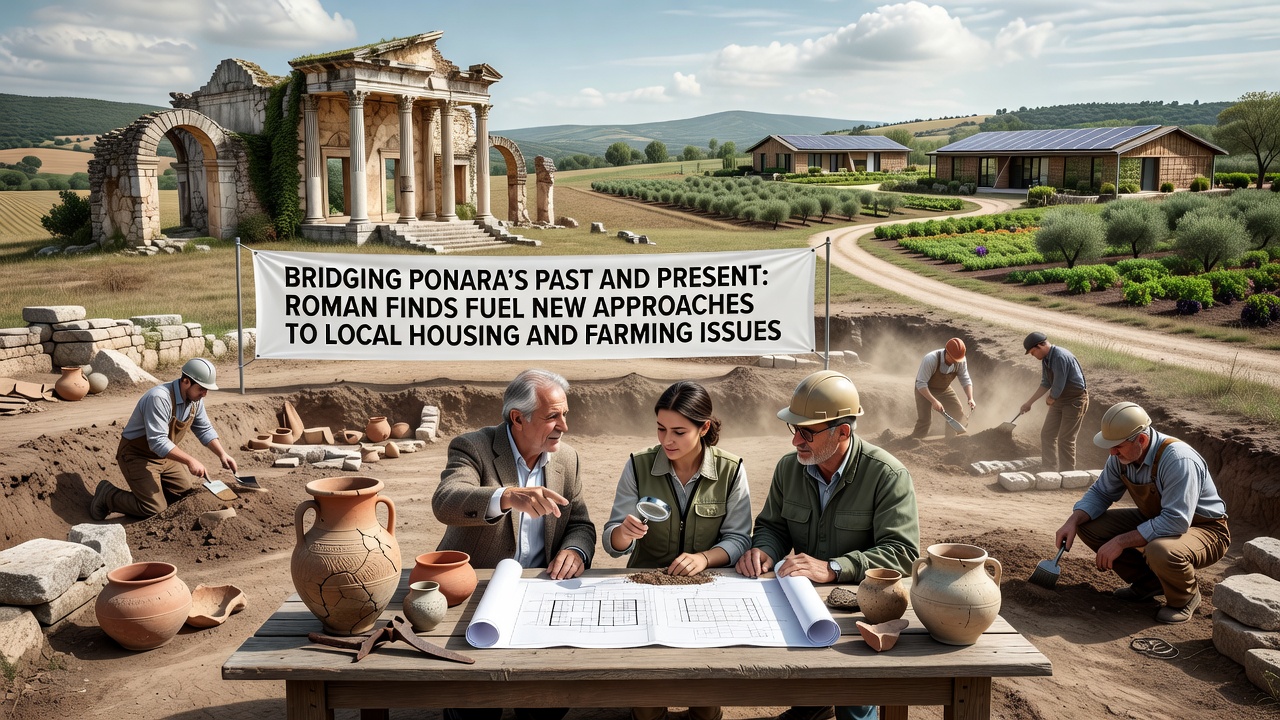
Recent archaeological work in Ponara has uncovered Roman-era structures and artifacts that local planners now examine for practical applications in housing design and agricultural methods, and these finds come at a time when communities face pressure to expand residential areas while maintaining productive farmland. Researchers from regional universities have documented villa foundations, aqueduct segments, and terracing systems dating back to the first century CE, and these elements reveal techniques that addressed similar challenges of land use and resource management centuries ago.
Uncovering the Layers
Excavations that began in early 2025 expanded significantly by October 2026, when crews working near the eastern valley edge exposed a network of drainage channels and storage facilities integrated into what appears to have been a working estate. Data from ground-penetrating radar surveys conducted by the University of Bologna team indicate the original builders oriented structures to maximize natural water flow and minimize soil erosion, and these patterns align with modern concerns about sustainable development in the same terrain. Local authorities have since coordinated with heritage officials to map the sites against proposed housing zones, creating buffers that protect the finds while allowing construction to proceed on adjacent plots.
One study published through the European Commission's cultural heritage portal notes that Roman agricultural estates in central Italy often combined residential and productive spaces in compact layouts, and this integration reduced the footprint on arable land. Ponara officials have referenced those historical models when reviewing permit applications for new residential clusters, and several proposals now incorporate shared green corridors modeled on the ancient field divisions.
Applying Ancient Methods to Housing Needs
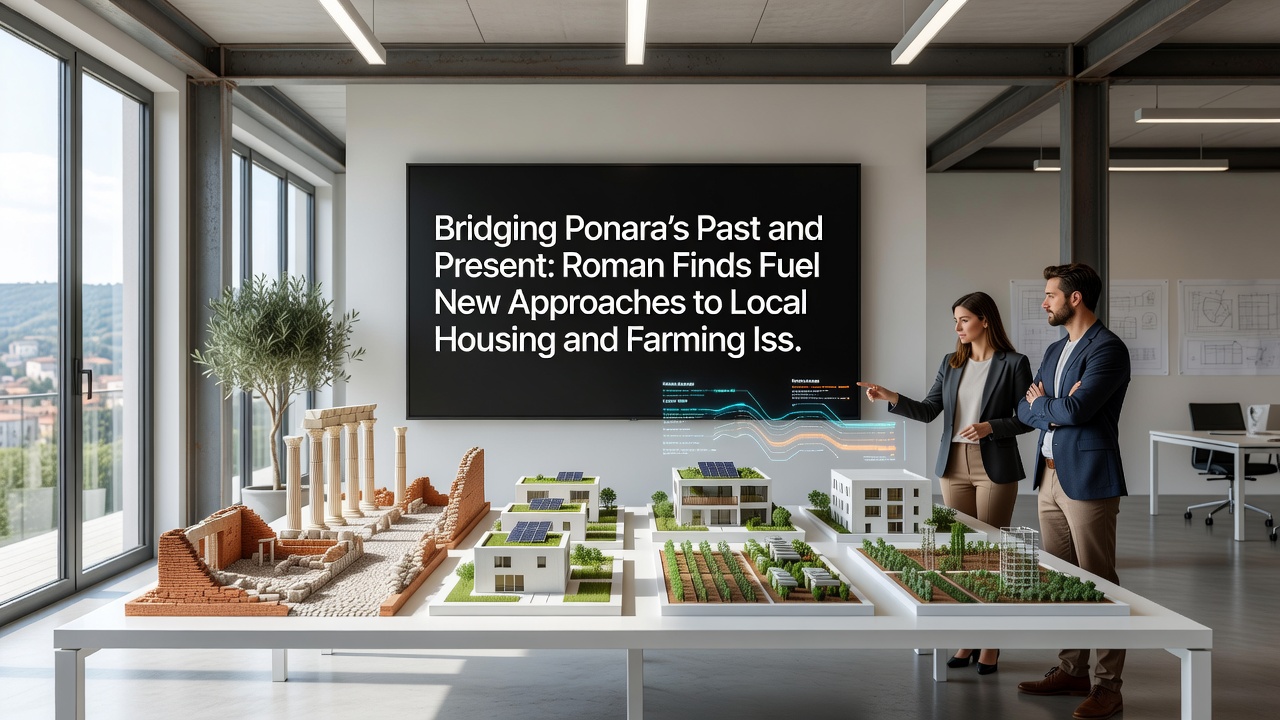
Housing shortages have pushed Ponara toward denser building patterns, yet planners must navigate restrictions around protected archaeological zones. Findings from the recent digs show that Roman builders used local stone and lime-based mortars to create durable, breathable walls that regulated indoor temperatures without modern insulation materials, and engineers at the regional technical institute have tested similar mixes on prototype structures. Results indicate these approaches could lower energy demands in new units by capturing passive heating and cooling effects observed in the preserved remains.
Community workshops held in September 2026 presented these options to residents, and feedback sessions revealed interest in designs that echo the compact villa layouts rather than sprawling single-family plots. A report from Australia's CSIRO on heritage-informed urban planning highlights comparable projects in Mediterranean climates where ancient drainage principles reduced flood risks in expanding neighborhoods, and Ponara's municipal engineers have adapted those same concepts to current zoning maps.
Reviving Farming Techniques from the Finds
Agricultural producers in the valley have examined Roman terracing and irrigation remnants for clues to improving soil retention and water efficiency amid shifting rainfall patterns. The excavated channels demonstrate gravity-fed distribution systems that irrigated multiple crop terraces without mechanical pumps, and several farms have begun restoring sections of these routes to supplement existing wells. Soil samples collected alongside the structures reveal higher organic content in areas that followed the original Roman field boundaries, suggesting the layout supported long-term fertility through crop rotation and natural sediment capture.
Researchers at the University of Melbourne's agriculture faculty have documented parallel outcomes in trials that replicated Roman-era polyculture on comparable soils, and their data shows yield stability improved when farmers combined grains with legumes in patterns matching the archaeological evidence. Ponara's farming cooperative now runs pilot plots that test these combinations alongside conventional methods, and early season reports indicate reduced fertilizer inputs while maintaining output levels.
Coordination and Future Steps
Joint committees formed between the Ponara heritage office and agricultural extension services meet monthly to align preservation requirements with expansion plans, and this structure ensures that new housing developments incorporate setbacks that protect both visible ruins and subsurface features. Funding from regional development programs has supported non-invasive scanning equipment that maps additional sites without further excavation, allowing faster decisions on land allocation. Observers note that the process has accelerated permit reviews for projects that demonstrate integration of historical drainage or terracing elements.
Training sessions for local builders and farmers have introduced documentation standards based on the excavation records, and these sessions emphasize measurable outcomes such as water retention rates and structural longevity. Plans for 2027 include expanded mapping of the valley floor to identify further Roman infrastructure that could inform additional housing clusters and crop management zones.
Conclusion
The Roman discoveries in Ponara continue to supply concrete references for addressing contemporary housing density and farming resilience, and the ongoing collaboration between archaeologists, engineers, and landowners produces incremental adjustments to local plans. As more data emerges from the sites, authorities expect further refinements to zoning guidelines and agricultural practices that draw directly from the documented historical solutions.